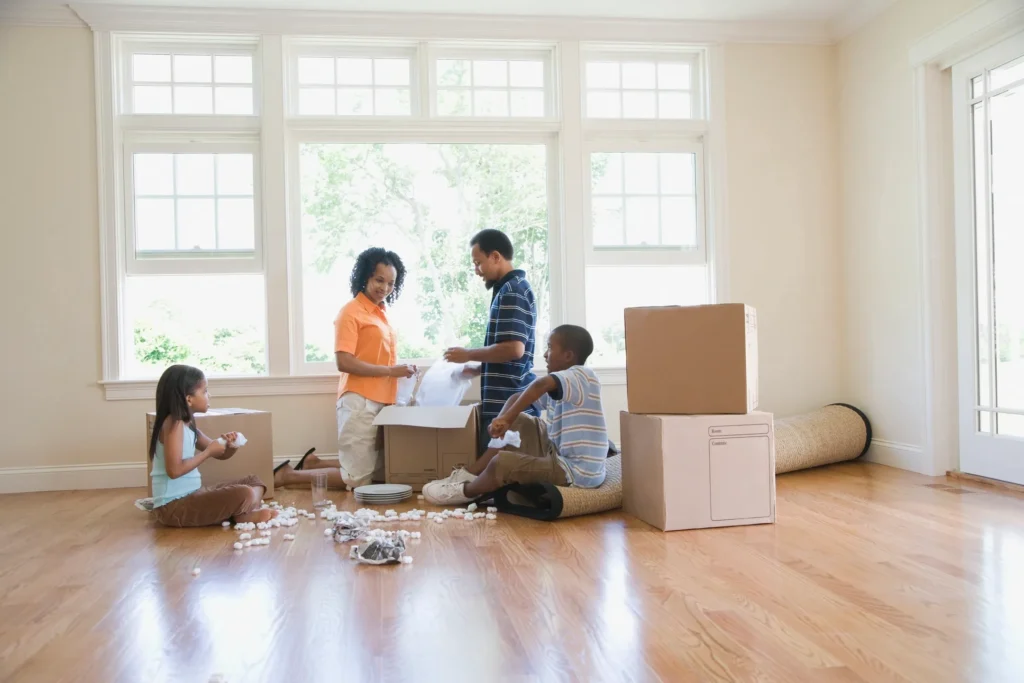
In today’s crowded advertising environment, local businesses face constant competition. National brands dominate search results, invest heavily in digital advertising, and have the marketing budgets to stay visible everywhere consumers look.
For many small and mid-sized businesses, competing head-to-head with that level of advertising spend can feel impossible.
But there is one powerful strategy that gives local businesses a significant advantage: new mover marketing.
By reaching people who have just relocated to a neighborhood, businesses can connect with potential customers at the exact moment they are deciding where to shop, eat, and find services.
Why New Movers Are One of the Most Valuable Audiences
When people move to a new community, they essentially start over with many of their daily routines.
They need to decide:
- Where they will buy groceries
- Which restaurants they will order from
- Who will service their car
- Which dentist or doctor they will visit
- What local stores and services they will use regularly
Unlike long-time residents who already have established habits, new movers are actively searching for businesses they can trust.
This makes them one of the most responsive and valuable audiences in local marketing.
The Power of Timing in New Mover Marketing
One of the biggest challenges in marketing is convincing customers to switch from businesses they already use.
Once people find a restaurant they enjoy or a mechanic they trust, they rarely go looking for alternatives.
New mover marketing works differently.
Instead of trying to break existing habits, it allows businesses to reach customers before those habits are formed.
When a business connects with new residents during the first few weeks after their move, it has a much better chance of becoming their go-to choice.
That early introduction can lead to repeat visits, long-term loyalty, and years of customer relationships.
Less Competition, Greater Visibility
Another major advantage of marketing to new movers is reduced competition.
Traditional advertising channels are crowded with competing messages. Consumers often see multiple ads for similar businesses every day.
New mover marketing allows businesses to stand out more clearly during a time when residents are actively paying attention to local offers and recommendations.
Rather than blending into a crowded advertising space, businesses have the opportunity to make a meaningful first impression.
Why First Impressions Matter for Local Businesses
The businesses that welcome new residents often become the ones they remember.
A well-timed introduction — whether through a personalized offer, a welcome message, or a thoughtful promotion — can help a business become part of a new resident’s routine.
Once that routine is established, customers tend to remain loyal to the businesses they discovered first.
For local businesses, this means that a single new mover can represent years of future revenue, not just one visit.
New Mover Marketing by the Numbers
The impact of new mover marketing is backed by strong consumer behavior data.
Consider these key insights:
- Over 6 million people move to new neighborhoods every year
- Most purchasing decisions happen within the first 30–60 days after moving
- New residents spend thousands of dollars establishing new routines in their community
- Early brand exposure significantly increases long-term customer loyalty
For businesses that want to grow their customer base, these first weeks represent one of the most valuable opportunities in local marketing.
A Smart Strategy for Long-Term Customer Growth
Successful local marketing isn’t just about attracting attention. It’s about building relationships and creating loyal customers who return again and again.
New mover marketing focuses on connecting with residents at the beginning of their journey in a new community.
By making a strong first impression, businesses can position themselves as the trusted choice from day one.
And when that happens, the result isn’t just a single visit — it’s a long-term customer relationship that can last for years.



 Mike
Mike